Blankets and quilts in this category emphasize natural comforts and responsible materials, aligning with a holistic approach to sleep environment. These textiles prioritise warmth, breathability, and softness, often featuring organic fibers and low-impact manufacturing. Understanding fabric composition, thread counts, and weave structures helps in selecting a piece that balances insulation with moisture management for varied climates.
Key features to consider include fiber type, weaves such as percale or sateen, and finishes that enhance durability without compromising skin sensitivity. Organic qualities, like GOTS-certified cotton or natural wool blends, contribute to reduced chemical exposure and improved allergen resistance. Functional benefits extend to temperature regulation, loft retention, and ease of care across seasons.
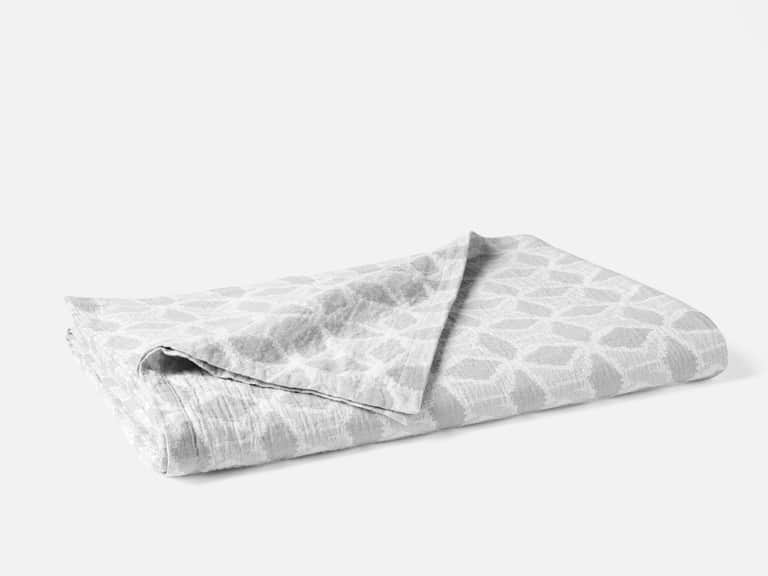
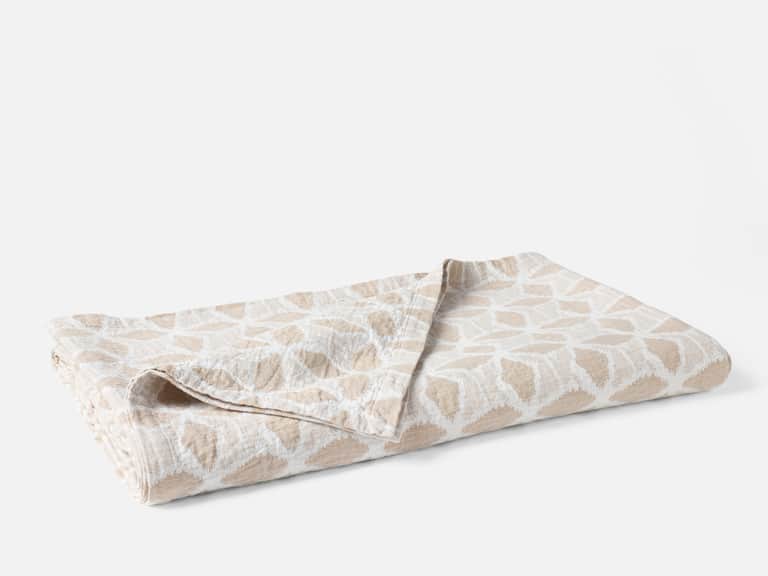
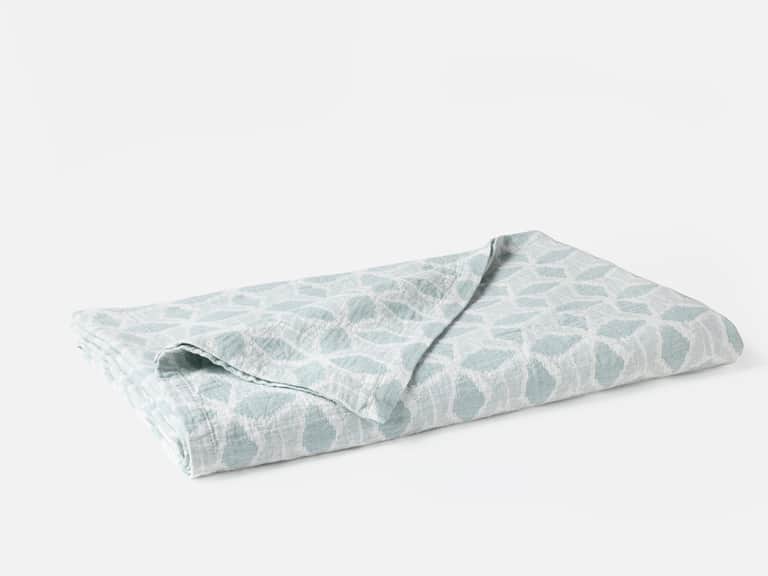
Within the Palomar Organic Coverlet, design focuses on lightweight warmth and a refined texture suitable for layering with thicker quilts or cotton sheets. The coverlet typically offers a soft hand feel, durable stitching, and a breathable surface that supports year-round use. Such pieces complement a bedding system by adding warmth without bulk.
Understanding how blankets integrate with pillows, sheets, and organic mattresses helps in creating a cohesive sleep setup. Compatibility considerations include fiber interactions, washability, and care guidelines to preserve loft and softness. By evaluating these aspects, one can optimize a sleeping environment that promotes comfort, sleep quality, and ease of maintenance.
In this category, emphasis is placed on practical benefits like thermal efficiency, moisture wicking, and hypoallergenic properties, alongside sustainable sourcing. Users gain insight into selecting textiles that suit sensitive skin, climate conditions, and personal warmth preferences, all while supporting responsible farming and manufacturing practices in bedding, sheets, and latex-related products.
 Bedding