 Bedding
Naturepedic Solid Organic Latex Pillow
Experience plush, long-lasting support that stays snug all night, stays cool with breathable latex and air channels, and helps ease aches for truly restful sleep.
Latex, derived from natural rubber tree sap, is valued in bedding for its resilience, durability, and breathable comfort. This material provides a responsive yet supportive feel that adapts to body contours, aiding spinal alignment and pressure relief. Knowledge of latex varieties, including natural and blended options, helps distinguish performance characteristics such as bounce, density, and durability over time.
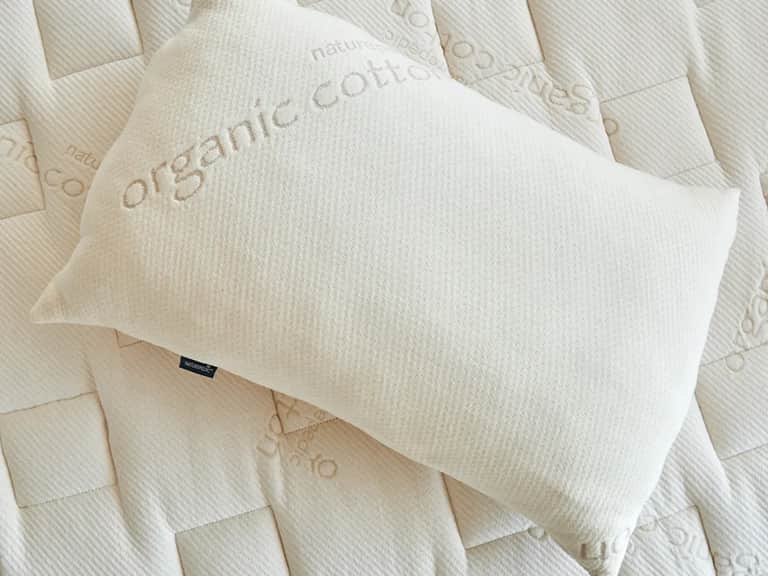
In pillow design, latex cores offer consistent support while maintaining airflow to regulate temperature. The Naturepedic Solid Organic Latex Pillow exemplifies a non-toxic, organic option with a smooth surface and uniform springiness. Users often experience reduced sinking and improved neck support, which can contribute to more restful sleep patterns and fewer disturbances.
The Naturally Organic Hudson Shredded Latex Pillow features a shredded latex core that can be fluffed or adjusted to personalized loft. This flexibility supports various sleep positions, from back to side sleeping, and promotes even weight distribution. The pillow’s open structure also enhances ventilation, supporting a cooler sleep environment.
When considering latex bedding components like pillows and mattresses, resin-free processing, certified organic materials, and low emission standards are important factors. Latex products often pair well with other natural bedding elements such as organic cotton covers and breathable sheet sets, contributing to a cohesive, sustainable sleep system while addressing allergy considerations.
Key terms such as bedding, pillows, sheets, organic mattresses, and latex anchor this material’s relevance in sleep comfort. Understanding latex’s resilient structure, hypoallergenic potential, and moisture management helps consumers evaluate suitability for various climates, sensitivities, and long-term use, enhancing informed choices in natural, comfort-focused bedding.
Bedding
 Bedding